BRAMBLE
Moving to the vertical plot
BRAMBLE: strong densification, fine-grained urban fabric—unity in diversity
BRAMBLE—“from the bramble bush comes the blackberry”—is an incremental method of strong densification developed as open source by Villes Vivantes since 2018.
It is the fourth method in the family, and the most ambitious in scale: whereas BIMBY, BUNTI, and BAMBA apply to gentle densification with projects whose project owners are private individuals, and sometimes property dealers, BRAMBLE targets areas of strong intensification—transport corridors, emerging centres—where the city needs to build upwards in order to produce, with developers, apartment housing and a higher level of urban intensity that is also aesthetically acceptable to the neighbourhood.
BRAMBLE is also the most upstream urban development method among the processes devised by Villes Vivantes: it is still at the stage of open research and development. We document it here because the problem it seeks to solve is real and urgent, and existing approaches fail to address it.

The era of major projects is over: and that is a good thing
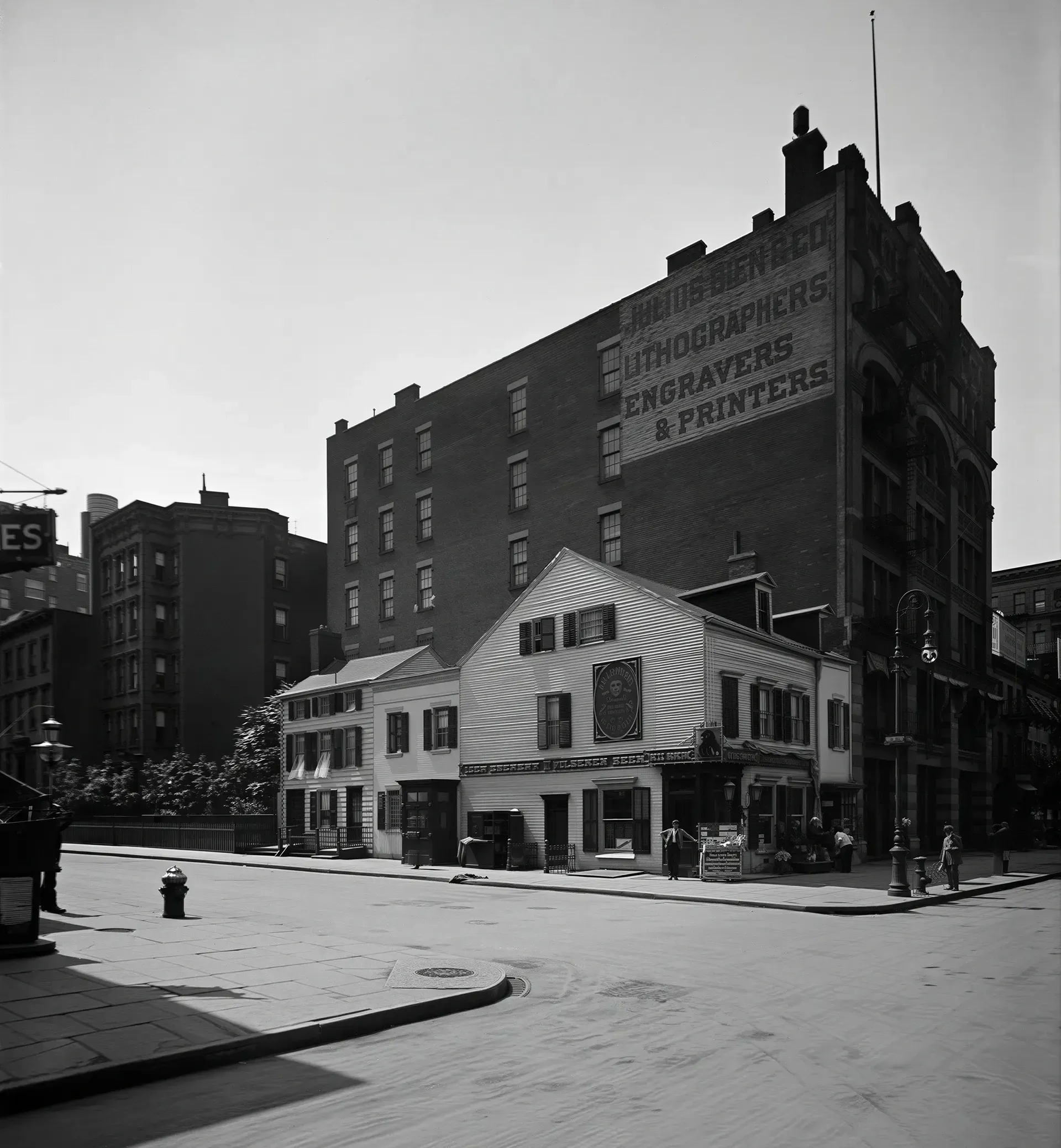
In many French metropolitan areas, one idea has taken hold over successive municipal elections: “the era of major projects is probably almost over”.
These major projects—vast land holdings assembled from multiple plots, macro-plots entrusted to developers and their design and construction teams, wide, tall, and massive buildings perceived by local residents as “ocean liners”—have left their mark: growing distrust among residents towards densification and height and, ultimately, a rather disastrous consequence: a structural inability to produce enough affordable housing in the strategic locations of the area.
And yet, certain key hubs in our areas need to change scale: major public transport corridors, growing or emerging centres, areas where density is not only legitimate but necessary to fund facilities and reduce carbon-intensive travel.
Places where the question is not whether “to densify or not to densify” but, rather, how to find a path that allows us to “densify strongly without provoking a public outcry” and, perhaps even, while inspiring hope for bold and popular urban forms.
Two ways to densify strongly: the major project and its major phases, or the fine-grained urban fabric and its incremental process
When faced with an area that needs strong densification, two approaches are possible.
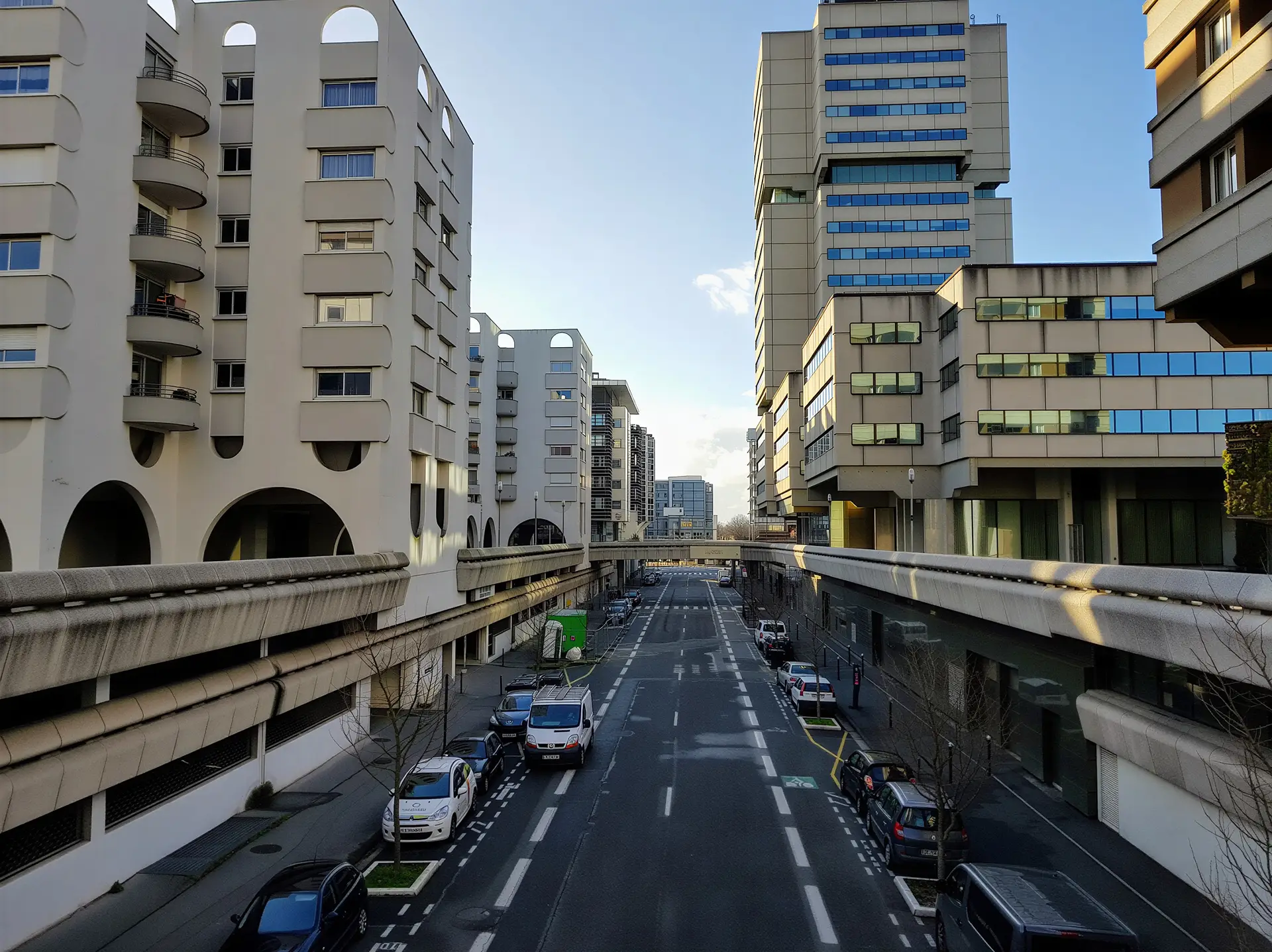
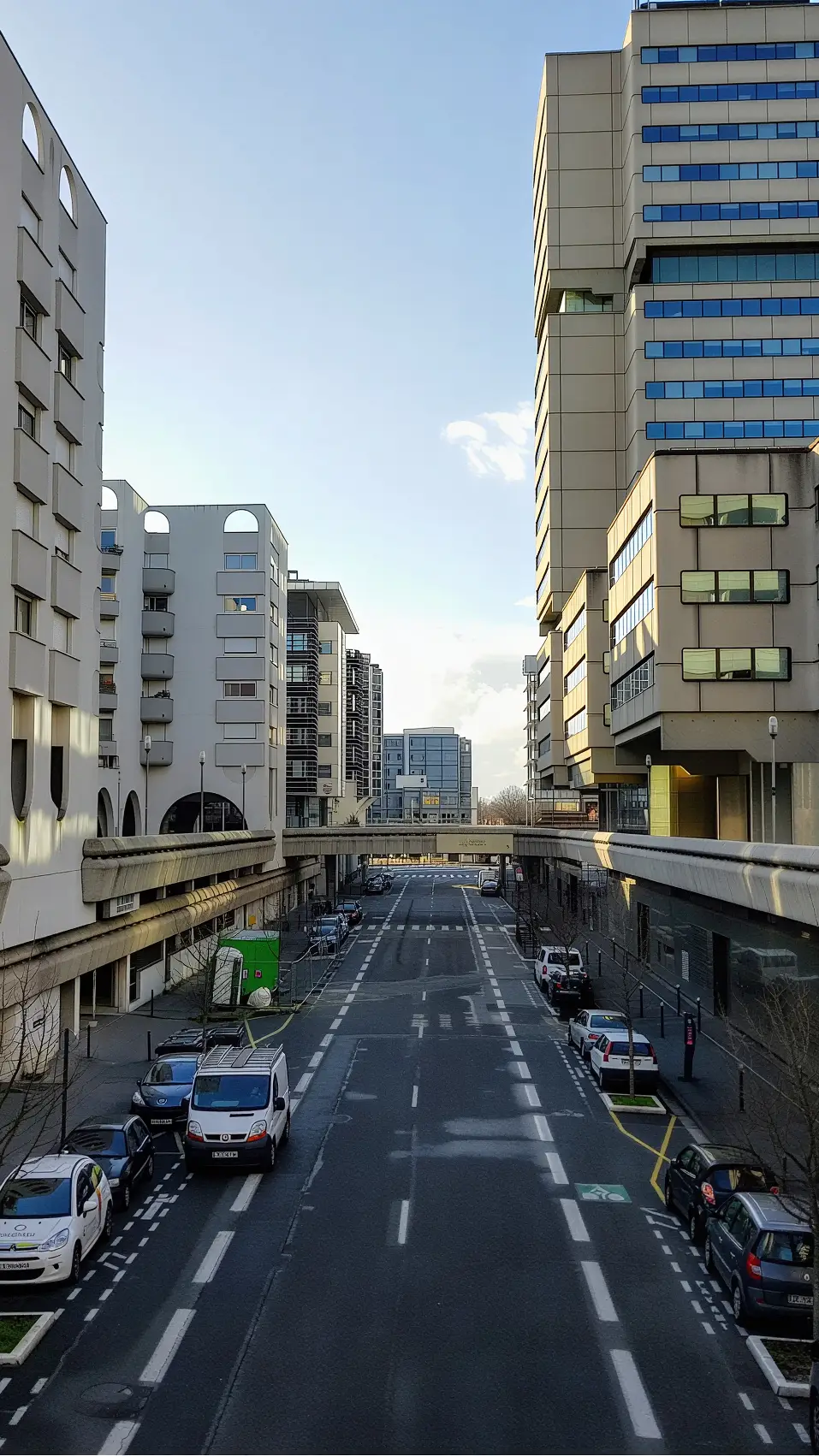
The first consists of assembling large land holdings and producing a kind of large housing complex with a different design from that of the 1960s but, ultimately, the same homogeneity and the same effects of identical repetition that create grandiloquence, admittedly, but also boredom, coldness, and sometimes a sense of oppression.
This has been the dominant model for fifty years. A model that produces a certain density, but a density perceived as brutal and foreign to the existing fabric.

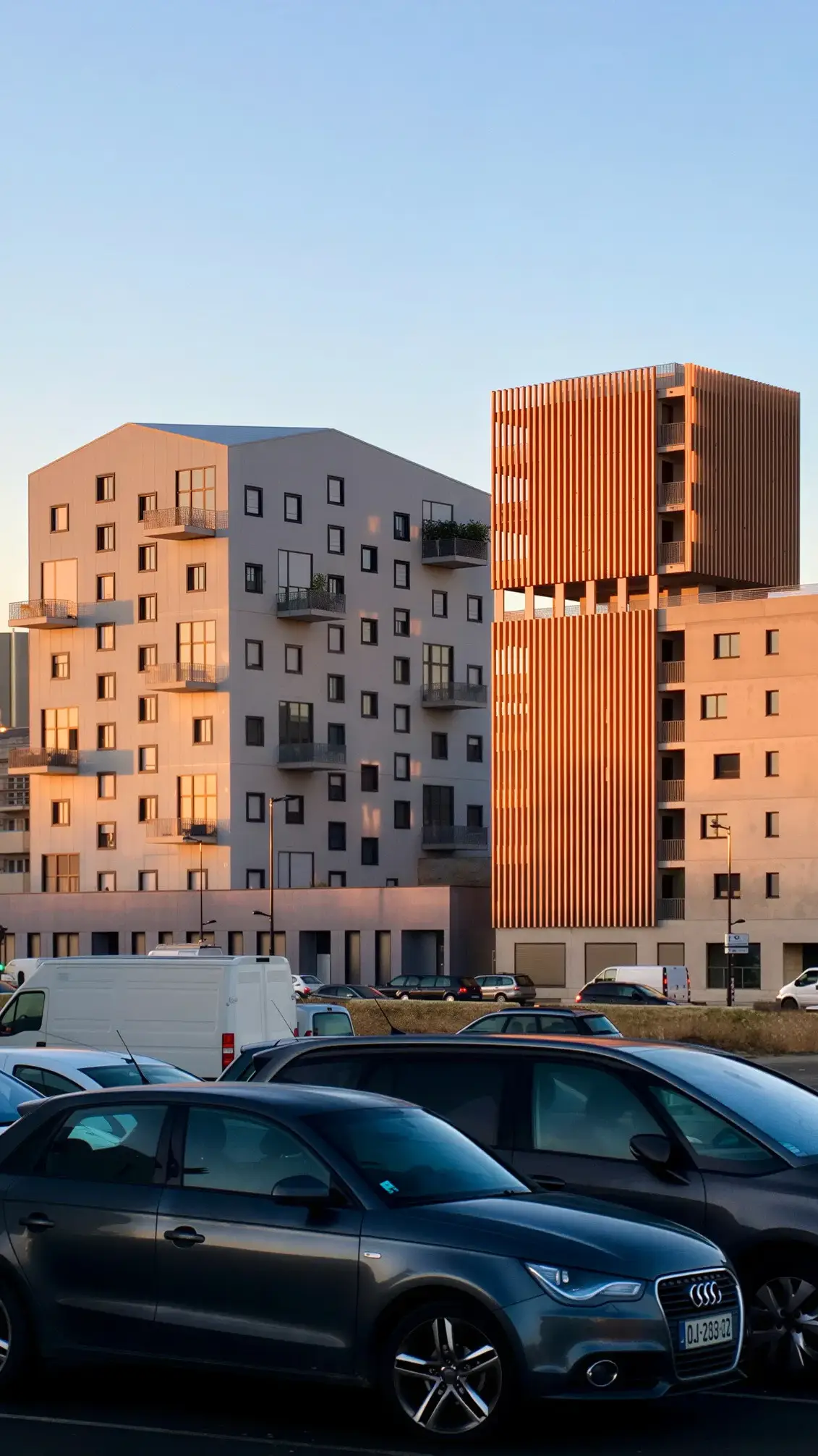
The second way—the BRAMBLE way—starts from the existing fabric (faubourg houses, for example), keeps its fine-grained plot pattern, and gradually, plot after plot, replaces low-rise houses with slender buildings.
Each building is different, driven by a separate project owner and a separate designer. Their juxtaposition produces an organic, lively urban form, on a human scale despite the density.
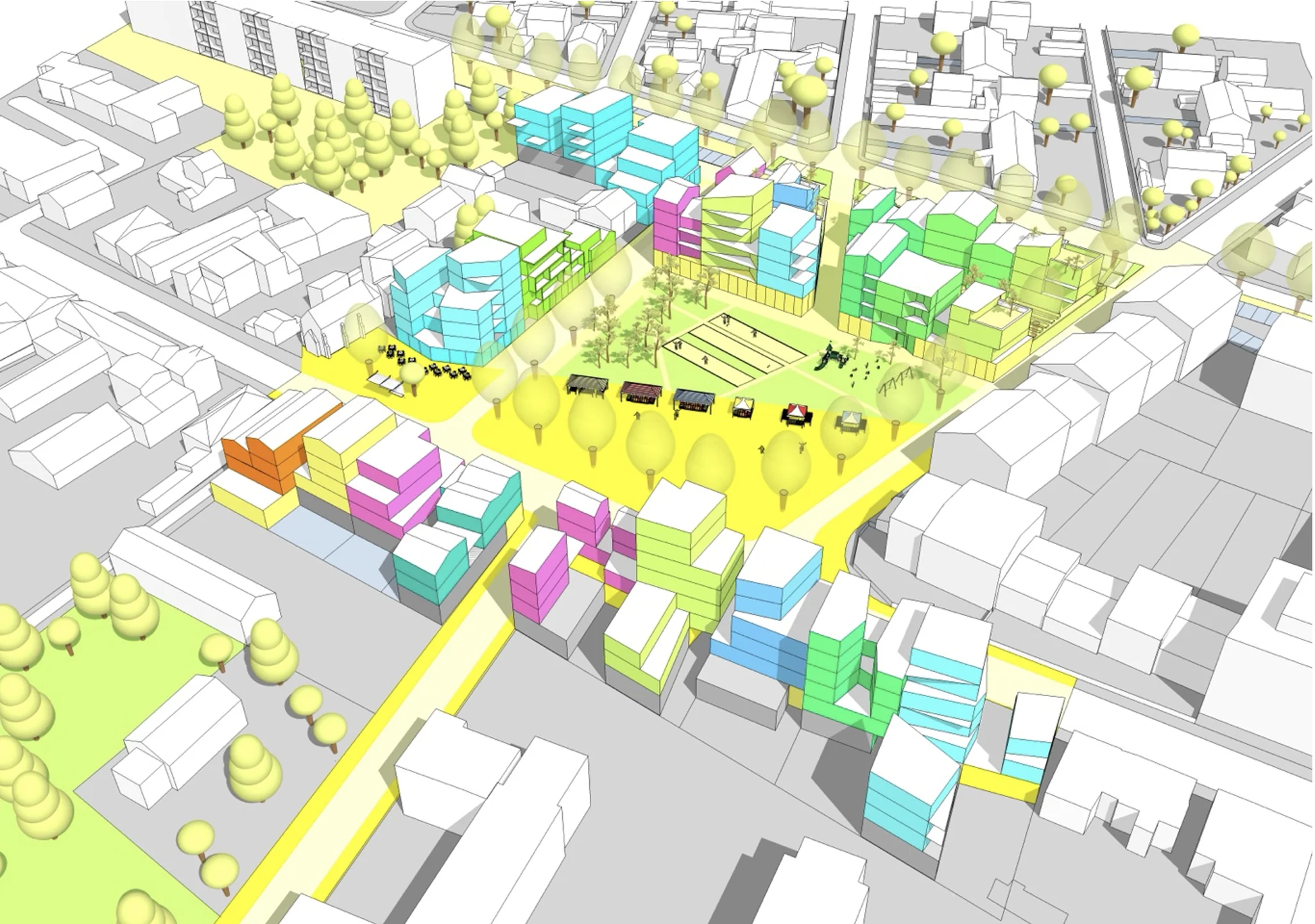
It is the diversity of projects and the variations in façades that give height its human scale. These variations are not faked, as is often the case, by the single designer of a macro-plot. They stem, fundamentally, from the plot pattern, which strings together distinct, adjoining projects.
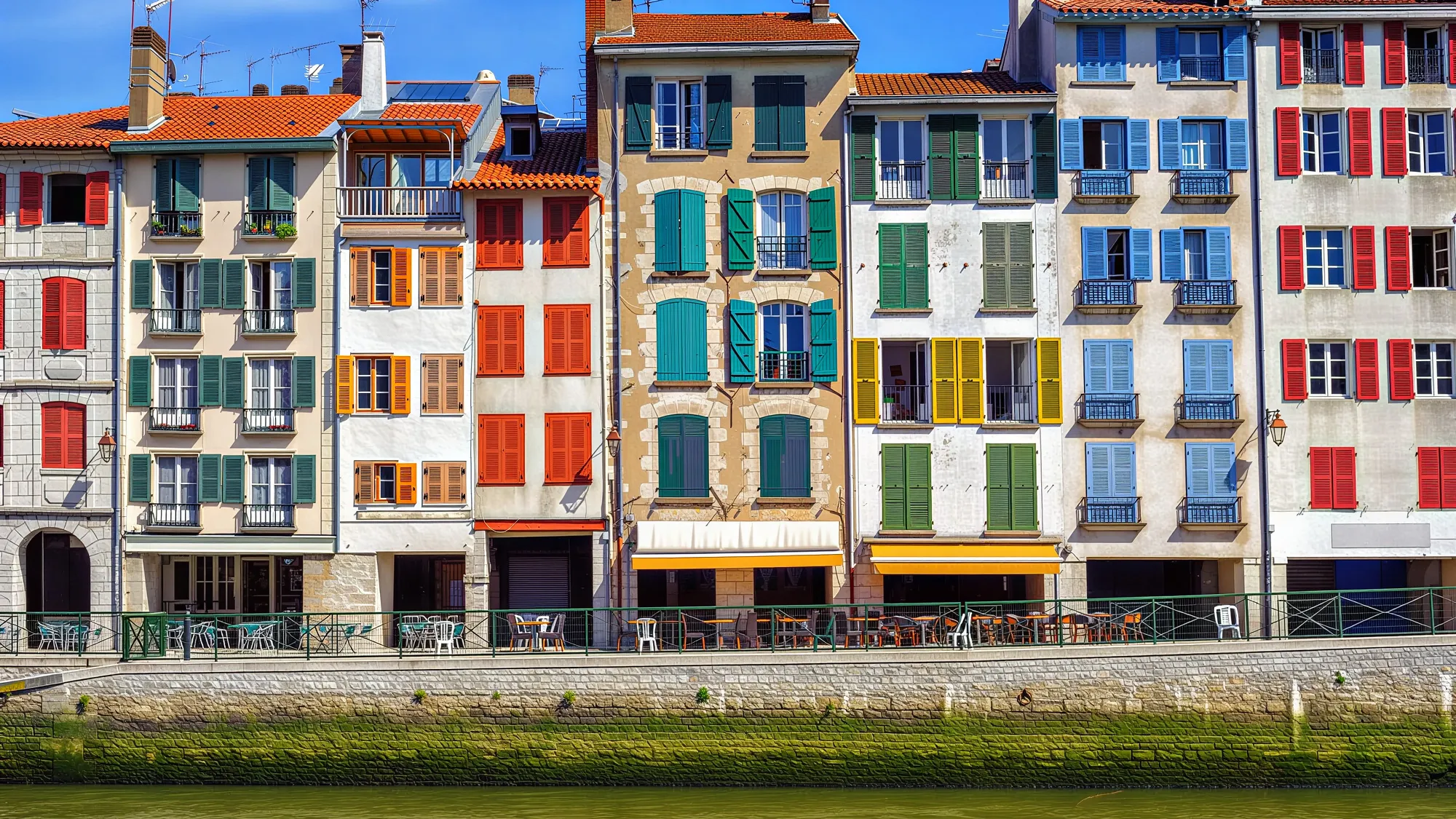
here in Bayonne (64): the visible façades date from the 17th and 19th centuries, built through incremental densification on a 15th- and 16th-century base. © Adobe Stock
The slender form: a proven European tradition, but not only
This family of urban forms is not an invention: it has proven itself over centuries in Europe. The port of Honfleur, the medieval half-timbered subdivisions in the historic centres of Bayonne or Rouen, the Marseille “trois-fenêtres” house, the Parisian apartment building: all produce, from narrow plots, buildings much taller than they are wide, with subtle variations from one façade to the next.
The density is high, but the form is slender, organic, and recognised as beautiful.
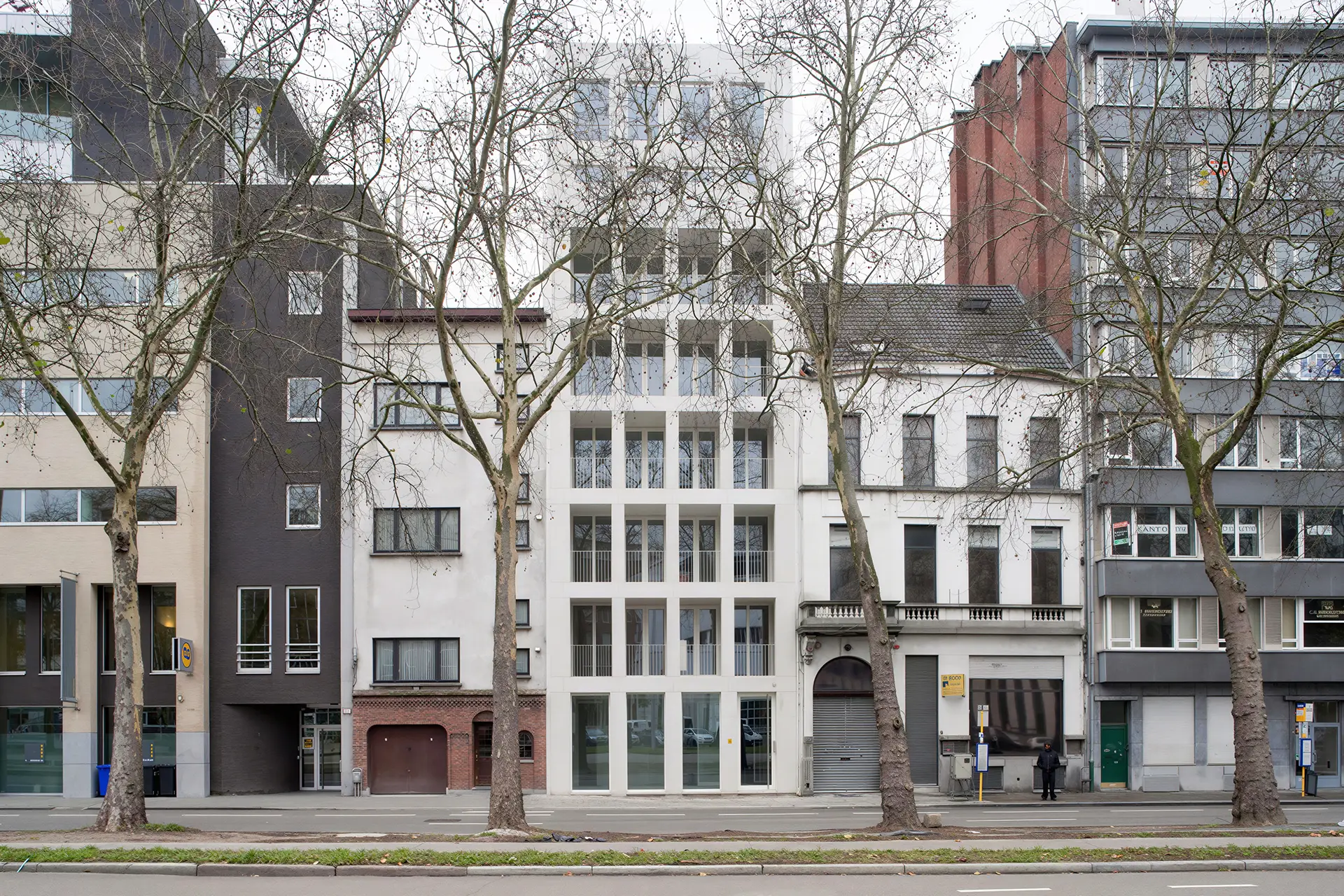
This logic can therefore be found in very different contemporary contexts: in Antwerp, where slender, detached buildings with different project owners produce an organic urban form in areas undergoing densification.
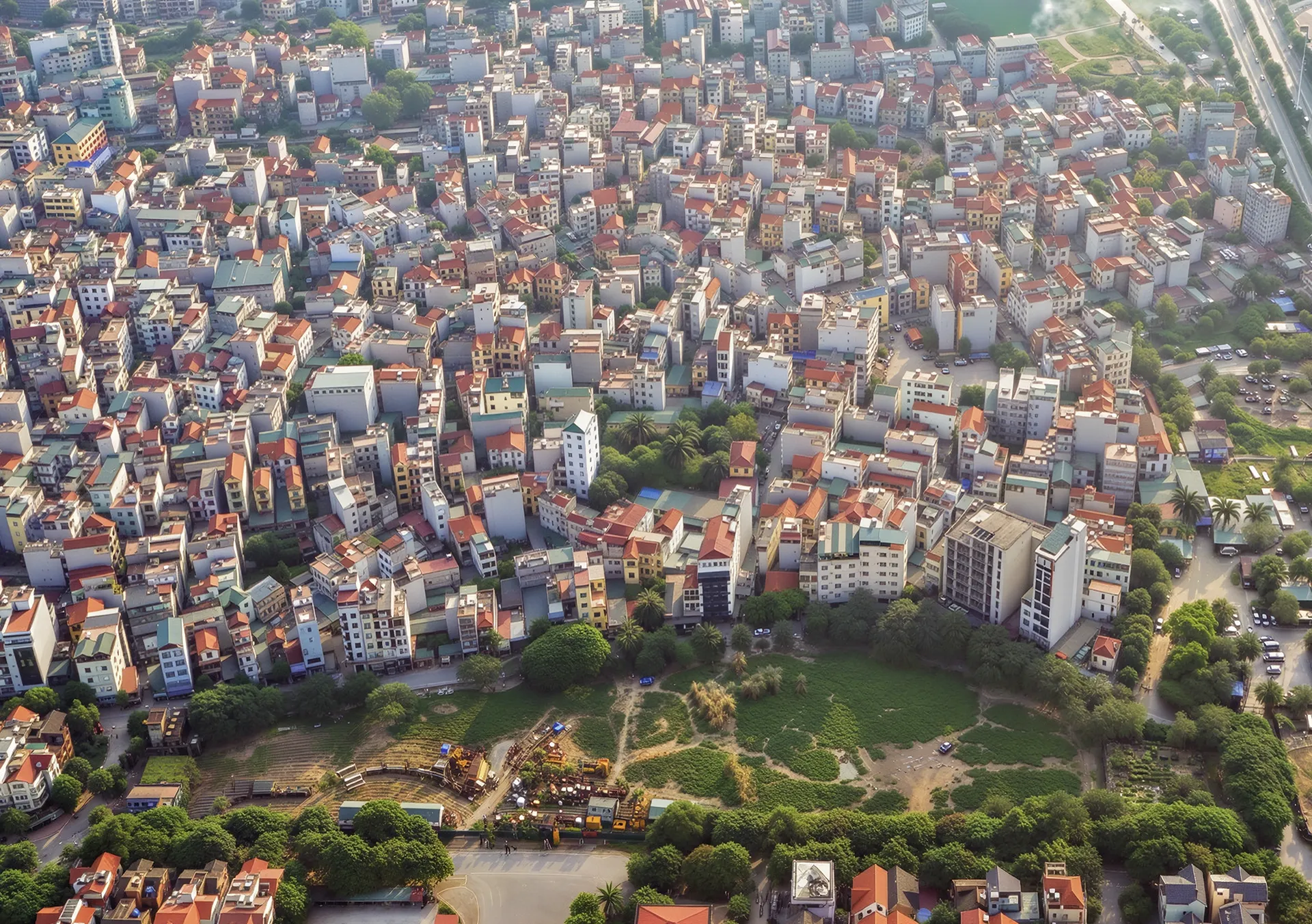
But also in Hanoi, where “tube houses” have long formed a dense and lively urban fabric on narrow plots, with denser variants in the form of narrow, tall buildings.


In both cases, the key is the same: preserve the fine-grained urban fabric, diversify project owners, and let density emerge plot after plot rather than imposing it wholesale. BRAMBLE updates this tradition by applying it to the peri-urban and faubourg fabrics of the 21st century.
Strong, agile planning regulations, structured by project families
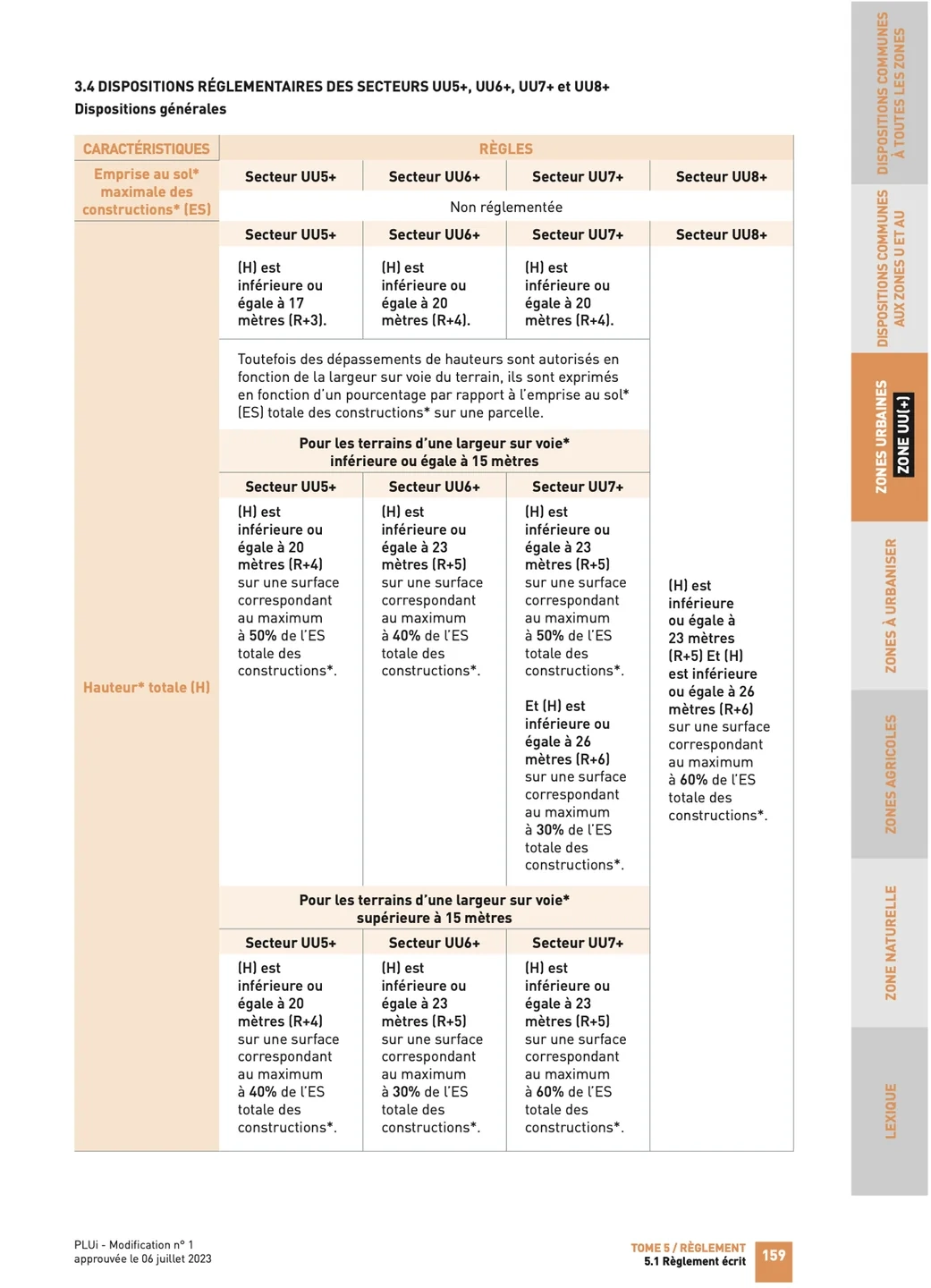
BRAMBLE as designed by Villes Vivantes does not work without a local authority willing to play an active role. The prerequisite is strong and precise planning regulations: substantial permitted heights at strategic points in the area, sector-based OAPs (French site-specific planning guidelines) that clarify intentions, particularly in terms of integration into the surrounding urban fabric, and rules governing building placement and the relationship of buildings to the street, structured by “project families” rather than by a single rule: this is what will enable, together with height bonus mechanisms, the morphological diversity of projects.
These regulations must be strong but adaptable: the local authority must “keep hold of the pencil”, and be able to adjust them continuously in light of real projects and the degree of satisfaction they provide.
It is the uncompromising nature of this framework that allows the local authority to negotiate with landowners and operators.
The local authority as an active partner of owners
In areas of strong intensification, the BRAMBLE methodology relies on a radical change in the local authority's stance: rather than waiting for owners and developers to initiate their projects on a piecemeal basis, it becomes their partner from the preliminary stages.
It establishes direct contact with the owners concerned, sets up expert support to assist them, defends their interests alongside its own, and organises urban design workshops involving the future operators.
The goal: to enable each owner to add value to their property through scenarios in line with the overall vision set out by the local authority, and to ensure that projects can be economically viable for operators.
This is negotiated urbanism, but based on strong rules, not on a regulatory vacuum.
BRAMBLE in the family of concepts developed by Villes Vivantes
BRAMBLE complements the three other Villes Vivantes methods to cover the full spectrum of densification within existing urban envelopes:
✼ BIMBY — gentle densification: building a new home in the garden of an existing house.
✼ BUNTI — gentle densification: transforming, extending, adding upward extensions to, or renovating existing buildings.
✼ BAMBA — gentle densification through development operations: creating a new neighbourhood of custom-made houses on available land.
✼ BRAMBLE — strong densification: gradually replacing low-rise houses with slender apartment buildings in areas of strong intensification, while preserving the fine-grained plot pattern.
The first three methods rely on residents as project owners and on production without developers. BRAMBLE involves operators and property development, but within a regulatory and partnership framework very different from the conventional model. Together, the four approaches make it possible to respond to all densification contexts within urban envelopes, without new land take.
Open R&D: where do we stand?
BRAMBLE is an open-source research and development project launched in 2018. We fully acknowledge this: it is not yet an operational method in the way that BIMBY or BAMBA are. It is a solid working hypothesis, validated by pre-operational studies in La Rochelle and Saint-Malo, and informed by years of observing European urban forms that work.
We believe that BRAMBLE addresses a real problem, that this problem will worsen as land becomes scarcer and with no net land take targets, and that none of the existing approaches addresses it satisfactorily. That is why we continue to develop the method, to look for areas in which to test it, and to document progress here.
Like all R&D projects led by Villes Vivantes, BRAMBLE is open source: the concept is freely available to any local authority or group of stakeholders wishing to take it up. If you are working on an area of strong intensification and think this approach could apply there, you can contact David Miet or Amandine Hernandez to discuss it.